2930 Carol Rd., Suite A, York, PA, 17402


 Call Us Now
 Email Us Now

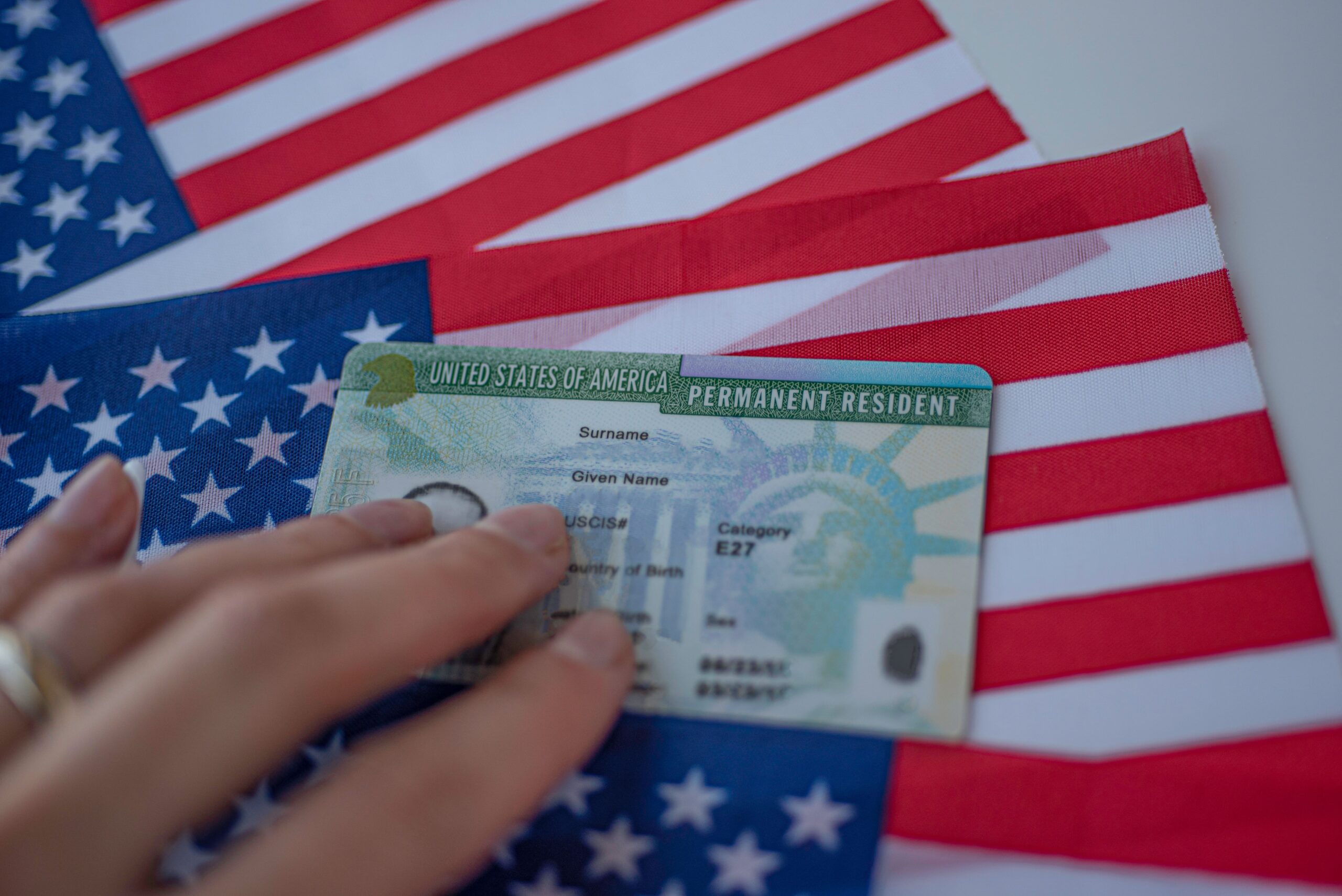
Navigating the differences between adjustment of status vs. consular processing in the U.S. immigration system can be challenging. Both pathways lead to lawful permanent residency—i.e., a green card. Still, the primary difference between them is where the noncitizen is located when they happen: consular processing is outside of the U.S., while adjustment is within the U.S.
At the Law Office of Rosina C. Stambaugh, we offer compassionate, dedicated immigration legal services. Our deep commitment to our clients, extensive knowledge, and hands-on approach ensure that individuals and families receive attentive and effective representation. Contact our office today.
What Is Adjustment of Status?
Adjustment of status allows individuals already in the U.S. to apply for lawful permanent residency without having to leave the U.S. Not everyone qualifies for adjustment, however.
When You Adjust Status
To be eligible for adjustment:
- You must be present in the U.S. in lawful status, such as through a student visa, temporary work visa, or Temporary Protected Status (TPS);
- You can have an eligible family member or employer who can petition for you, or you can have refugee or asylum status; and
- You must maintain lawful status in the U.S. during the process and not violate immigration laws.
You apply by submitting Form I-485 to United States Citizenship and Immigration Services (USCIS).
Adjustment of Status Timelines
Adjustment of status typically takes between six months and several years, depending on:
- Visa type,
- Priority date,
- USCIS processing times, and
- Any delays in application processing, such as additional documentation requests or background checks.
While your application is pending, you can often apply for work authorization and continue to live in the U.S.
Your Green Card Journey Starts Here
You don’t have to figure this out alone. Adjustment of status and consular processing are both valid routes—but the right choice depends on your background, travel plans, and priorities. We’ll help you avoid costly missteps and get your green card the smart way. Contact us today: 717-900-1818
What Is Consular Processing?
Consular processing involves applying for a visa at a U.S. consulate or embassy outside of the U.S. If you are outside the U.S. and do not have currently valid U.S. immigration status, you typically must go through consular processing.
When You Use Consular Processing
You typically go through consular processing when you are outside the U.S. or, if in the U.S., ineligible to adjust status. You may be ineligible to adjust status if you have:
- Unlawfully entered the U.S.;
- Remained in the U.S. beyond your authorized period of stay, i.e., you’ve overstayed your visa;
- Violated your immigration status; or
- Committed certain fraud-related or criminal offenses.
In some circumstances, you can apply for a waiver of the reasons you are ineligible to adjust your status, but only from outside the U.S.
Consular Processing Timelines
The consular processing timeline can range from one to several years, depending on:
- Visa availability;
- Delays at the consulate or embassy; and
- Difficulties you might have locating or providing documents.
Consular processing can be quicker than adjustment, particularly if you live near a less busy consulate.
Can I Switch from Consular Processing to Adjustment of Status and Vice Versa?
Switching from consular processing to adjustment of status is possible only in specific circumstances. Consult an immigration attorney to understand the potential consequences.
When You May Switch to Adjustment of Status
Switching from consular processing to adjustment of status is possible if you:
- Enter the U.S. on a valid visa;
- Have an immigrant visa petition pending with or already approved by USCIS; and
- Have not yet completed your visa interview.
Often, the requirement that you enter the U.S. legally creates the biggest hurdle for hopeful immigrants.
When You May Switch to Consular Processing
You may switch from adjustment of status to consular processing, particularly if you:
- Are outside the U.S. and not authorized to return;
- Are in the U.S. but ineligible to adjust status; or
- Need to live in another country for an extended period but do not want to abandon your application.
Switching from consular processing to adjustment usually means you join loved ones in the U.S. However, you are more likely to make the opposite switch because USCIS concludes you are ineligible to adjust your status.
How to Change from Consular Processing to Adjustment of Status
To switch from consular processing to adjustment of status:
- Arrive in the U.S. and confirm you are eligible for adjustment of status;
- Submit Form I-485 and supporting documents to USCIS; and
- If you have already started working with the consulate, contact the National Visa Center (NVC) to request to withdraw from consular processing.
Changing from consular processing to adjustment of status can be a particularly delicate process. Speak with an immigration lawyer to understand whether you risk your status or application by switching.
How to Change from Adjustment of Status to Consular Processing
To change from adjustment of status to consular processing, do the following:
- If you have filed Form I-485, withdraw your application from USCIS by submitting a written request online or through the mail;
- Contact the NVC to begin consular processing; and
- Work with the consulate to provide updated documents.
If you are not careful, USCIS might conclude you have abandoned your application, and you will have to submit it—and the application fees—again.
Consular Processing vs. Adjustment of Status
Adjustment of status and consular processing lead to green cards, but they differ in meaningful ways:
| Adjustment of Status | Consular Processing | |
| Applicant Location | In the U.S. | Outside the U.S. |
| Eligibility | Immigrant visa or humanitarian status and currently valid status | Immigrant visa eligibility |
| Process Length | Six months to several years | Several months to years |
| Effects of Visa Availability | May have to leave the U.S. if no visa is available | Typically must remain outside of the U.S. if no visa is available |
| Impact of Unlawful Presence | Typical cannot adjust status | May apply for a waiver |
| Interview | At a USCIS office | At a U.S. embassy or consulate |
Adjustment of Status vs. Consular Processing Time Comparison
Many noncitizens and their loved ones wonder about the differences between adjustment of status vs. consular processing time. While consular processing requires you to factor in travel time, USCIS has extensive processing backlogs that can be longer than consular backlogs. So, depending on the visa type and where you apply, consular processing can be faster.
When you apply to adjust your status, you can establish roots in the U.S. while your application is pending. If a visa is available or you can maintain another valid legal status while your application is pending, adjustment allows for significantly less disruption to your life.
Yet, the most significant delay in most green card applications results from limited visa availability, which affects both processes. If you apply for a green card with limited availability, you may have to turn to consular processing, regardless of what you would prefer.
How the Law Office of Rosina C. Stambaugh Can Help
At the Law Office of Rosina C. Stambaugh, our team includes our multinational staff and experienced attorneys like Rosina C. Stambaugh and Christopher Morales.
We help guide you through your case and provide support at every step. If you need assistance with either consular processing or adjustment of status, contact us today. We can provide the guidance, experience, and knowledge to help you navigate your path to U.S. permanent residency.
Adjustment of Status vs. Consular Processing FAQ
Adjustment of status allows applicants already inside the United States to apply for a green card through USCIS by filing Form I-485. Consular processing is completed abroad through a U.S. embassy or consulate using Form DS-260. A Pennsylvania immigration lawyer or immigration lawyer in Pennsylvania can help determine which option best fits your immigration goals.
Processing times depend on USCIS field offices, embassy backlogs, visa categories, and security checks. In some cases, consular processing is faster, while adjustment of status may move more quickly in others. Immigration lawyers in Pennsylvania can review your situation and explain expected timelines.
Change of status allows someone already in the U.S. to switch from one temporary visa category to another without receiving a green card. Consular processing is part of the immigrant visa process for permanent residency. A York immigration lawyer can explain which process applies to your case.
Often yes, if you were lawfully admitted or paroled into the United States and meet eligibility requirements. You may need to file Form I-485 and notify the National Visa Center about the change. An immigration lawyer in Pennsylvania can help avoid filing mistakes and delays.
Adjustment of status may be preferable if you want to remain in the U.S. while your case is pending, apply for work authorization, or avoid triggering unlawful presence bars by leaving the country. Immigration lawyers in PA can review whether adjustment of status is available in your case.
Consular processing may be the better option for applicants living abroad or individuals who do not qualify for adjustment of status inside the United States. A Pennsylvania immigration lawyer can evaluate your immigration history and recommend the best path forward.
Possibly. Applicants who accrued unlawful presence in the United States could trigger 3-year or 10-year bars after departure. A York immigration lawyer or immigration lawyers in Pennsylvania can determine whether a waiver may be available before traveling abroad.
Adjustment of status generally uses Form I-485, along with Forms I-765 and I-131 if employment authorization or travel permission is requested. Consular processing typically uses Form DS-260 through the National Visa Center. Immigration lawyers in PA can help prepare and file the correct forms.
Sometimes. Certain employment-based applicants may qualify for protection under INA 245(k), which may forgive limited status violations. An experienced Pennsylvania immigration lawyer can review whether these protections apply to your case.
Yes. Adjustment of status applicants usually submit Form I-693 completed by a USCIS-approved civil surgeon, while consular applicants complete a medical exam with a panel physician abroad. Immigration lawyers in Pennsylvania can help ensure all medical and filing requirements are completed properly.
Need help with consular processing or adjustment of status?
Contact Our Office Today